This summer, Professor Myers had the opportunity to present our framework for developing digital twins of human pregnancy at the Aspen Ideas conference! The session, titled Building a Digital Doppelgänger, featured leaders in the spaces of engineering, medicine, and data analytics who are leveraging digital twins to advance surgery, predict chemotherapy responses, determine pregnancy outcomes, and help design custom-tailored prosthetics.
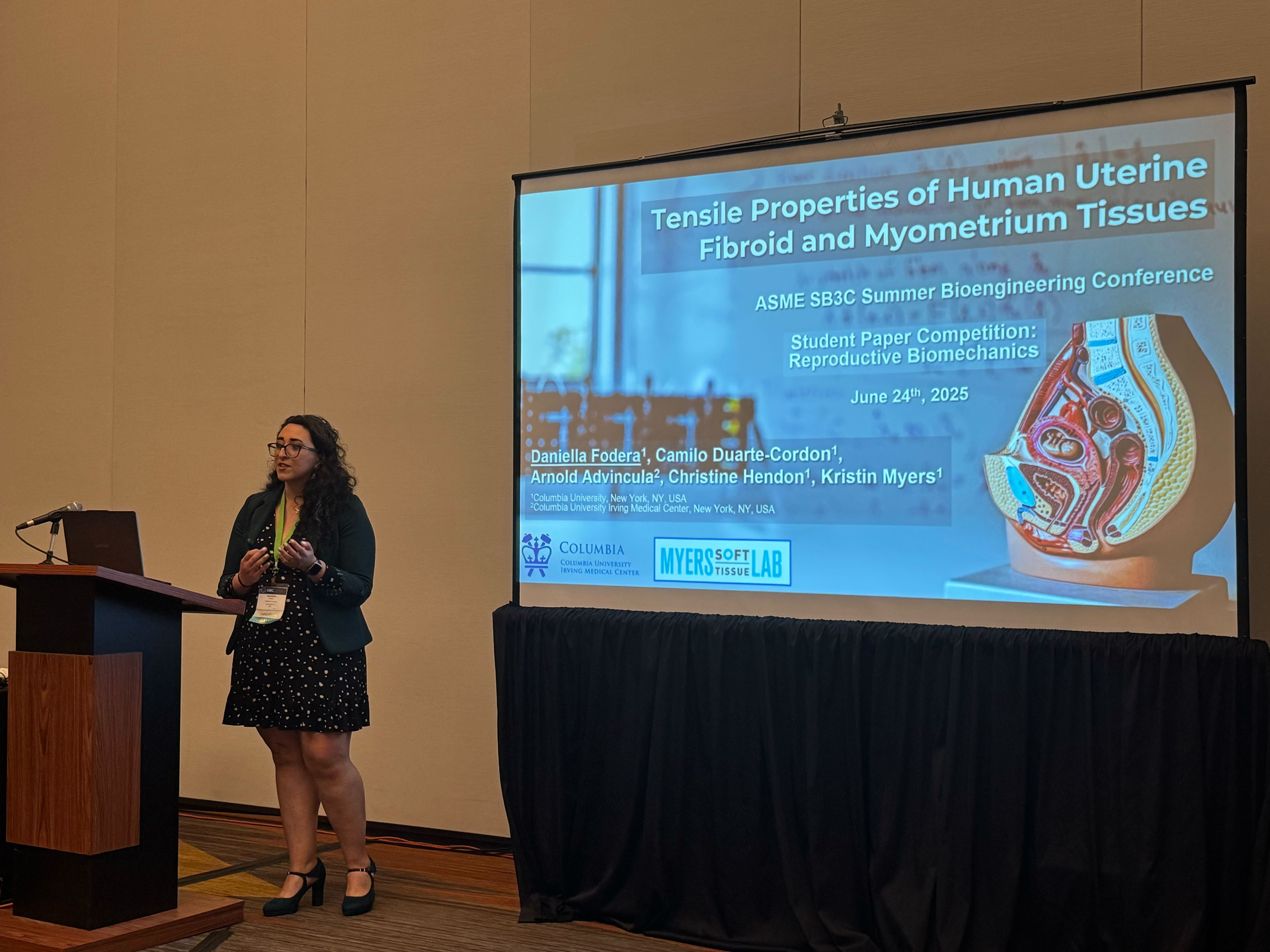
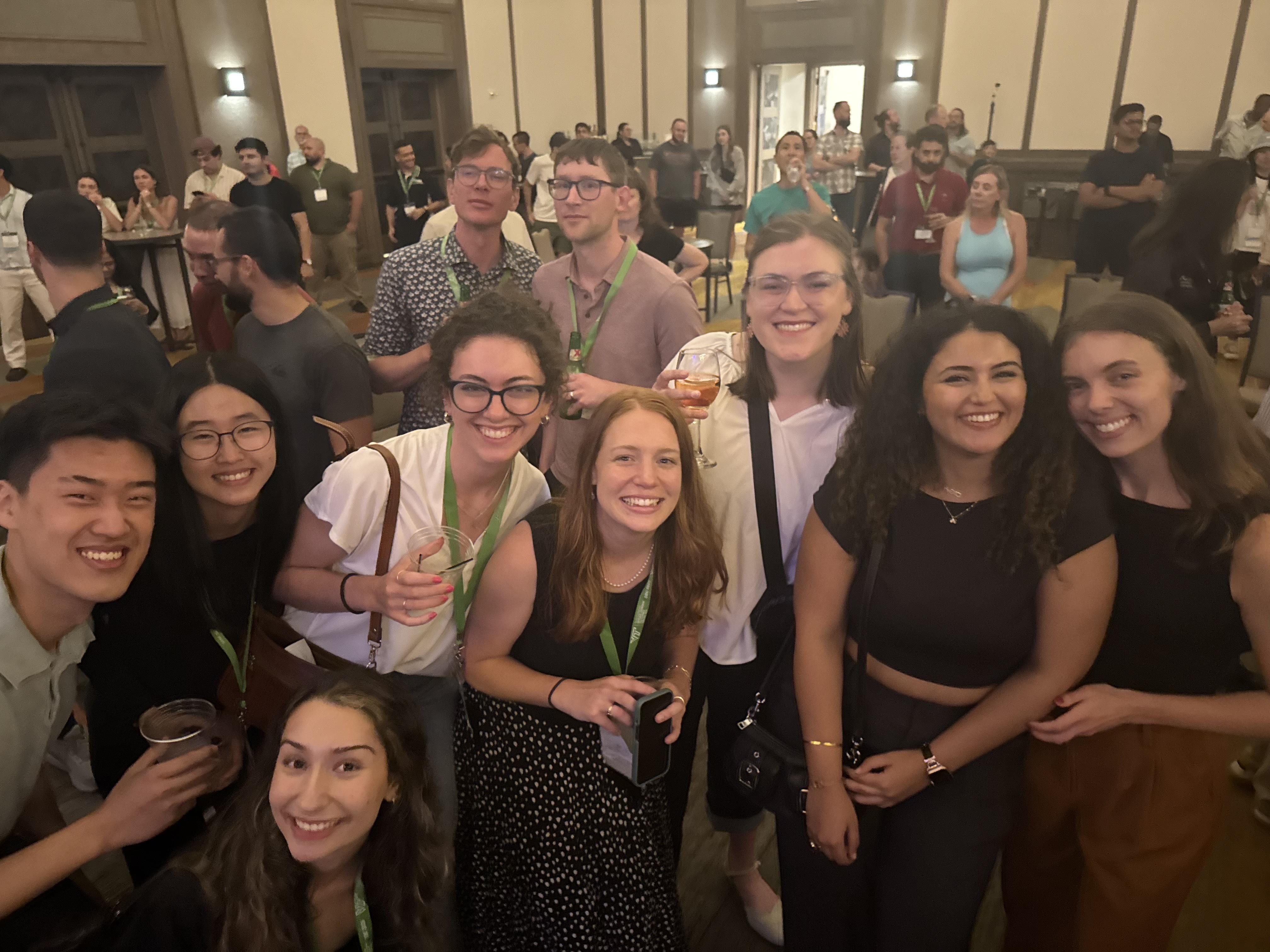
The Myers Lab had great time presenting and attending the annual ASME Summer Biomechanics Conference in Santa Ana Pueblo, New Mexico! Special congratulations to Daniella Fodera, who placed 2nd in the Reproductive Tissue Mechanics session of the PhD Student Paper Competition!
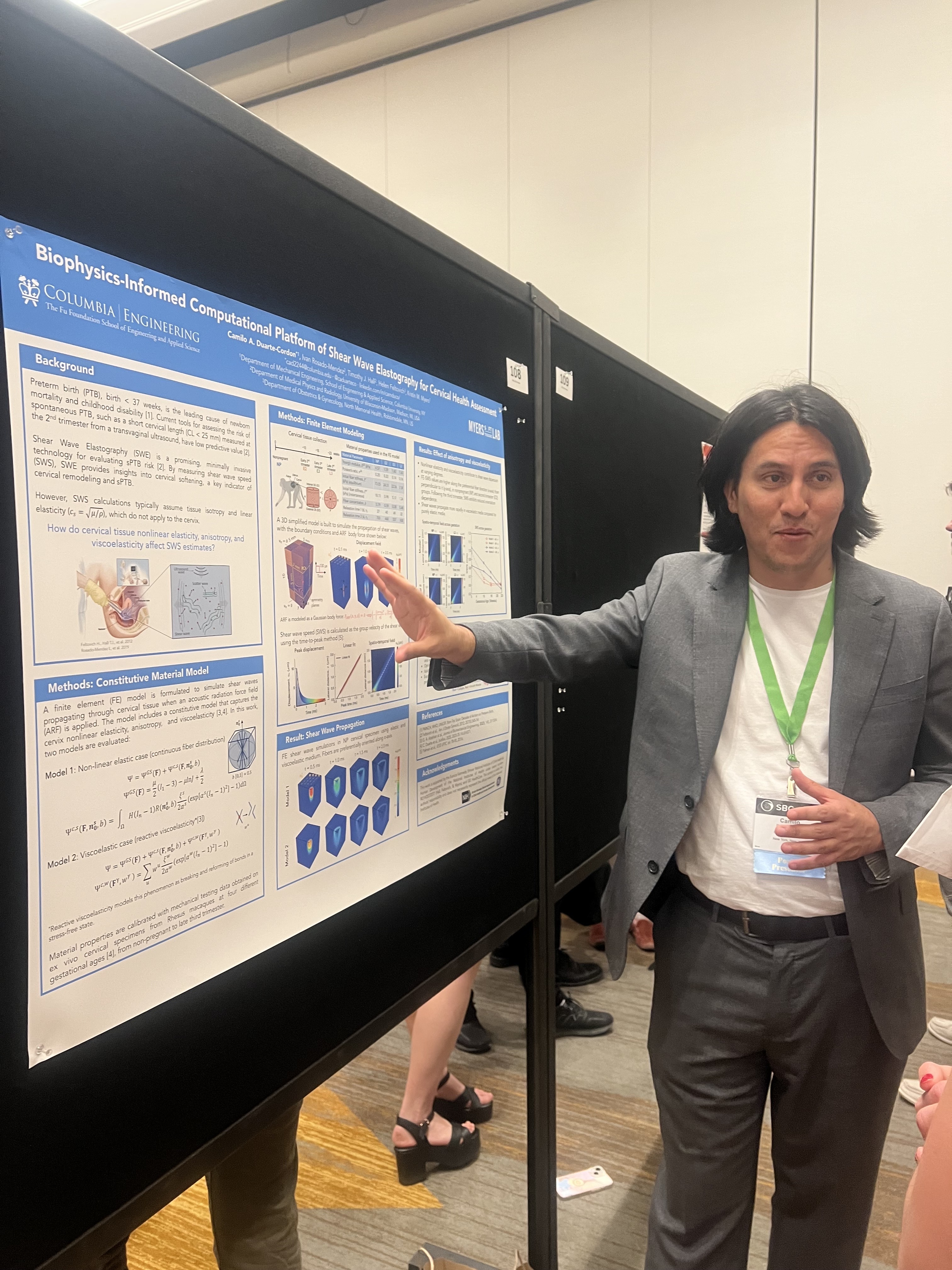
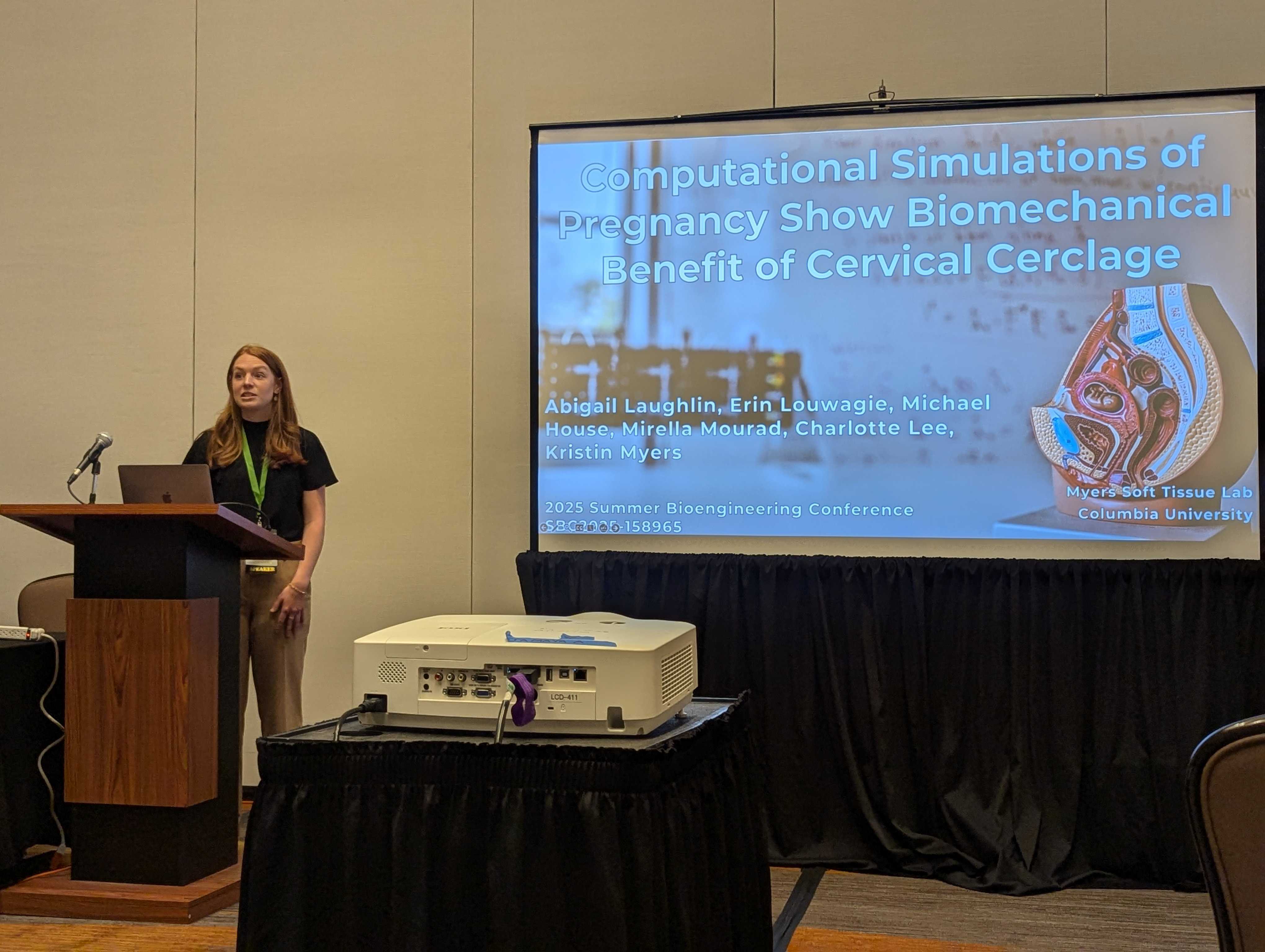
Additionally, Serena, Olivia, and Abby all had the opportunity to give podium presentations and Camilo had the opportunity to present at the future faculty poster session. Serena and Olivia presented in the Reproductive Mechanics session with Serena’s presentation highlighting her work studying the role of Relaxin in cervical remodeling and Olivia’s focused on her computational modeling of uterine mechanics in late pregnancy. Abby presented her work studying the biomechanical benefit of cervical cerclage during the Emerging Topics in Computational Biomechanics session. Camilo’s poster focused on his work developing a computational platform of shear wave elastography for cervical health assessment.
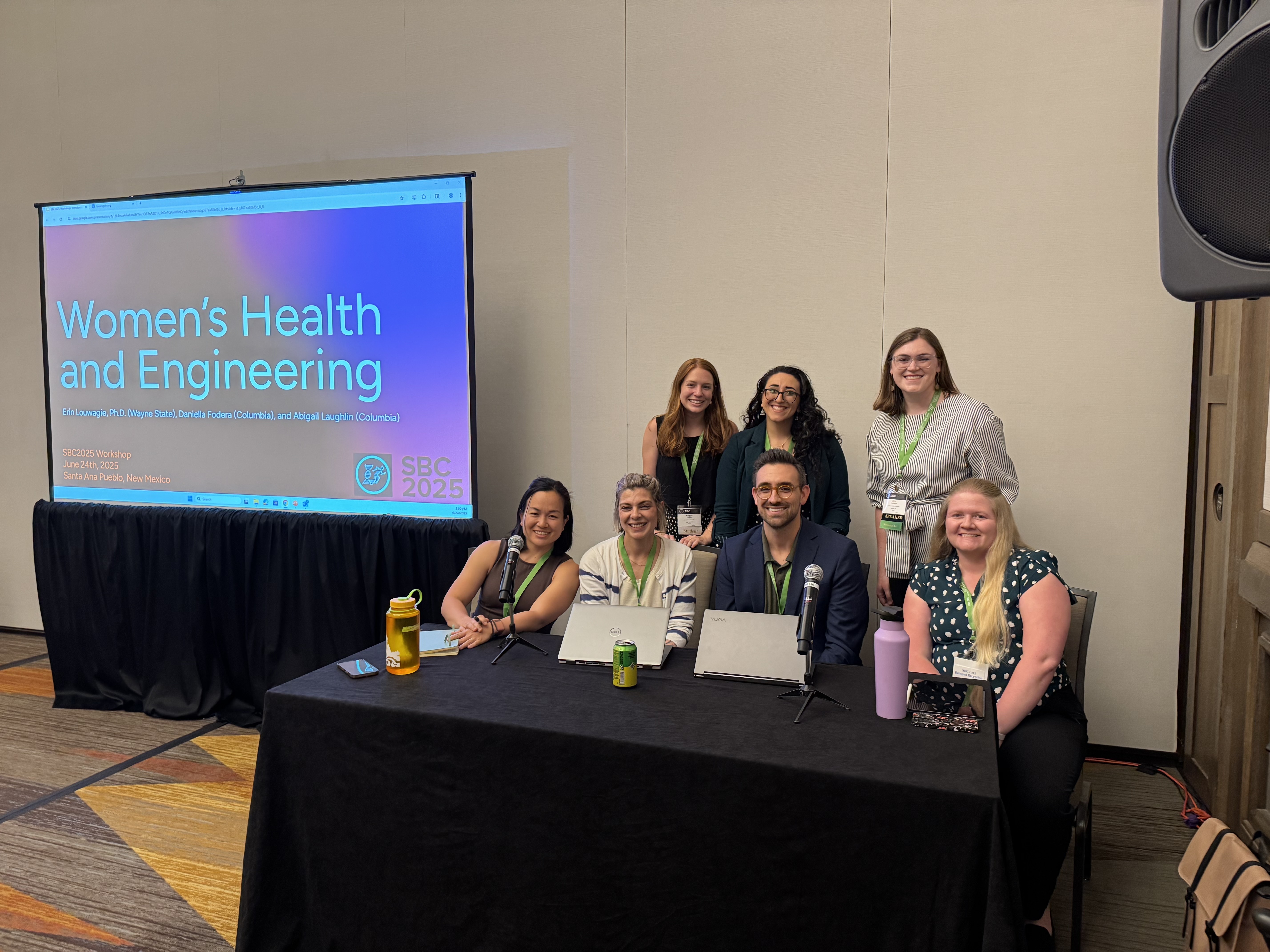
Other highlights of the conference included the Women’s Health and Engineering Panel, the group dinner with Ateshian, Vedula, and Tepole labs, and of course the BedRock concert!
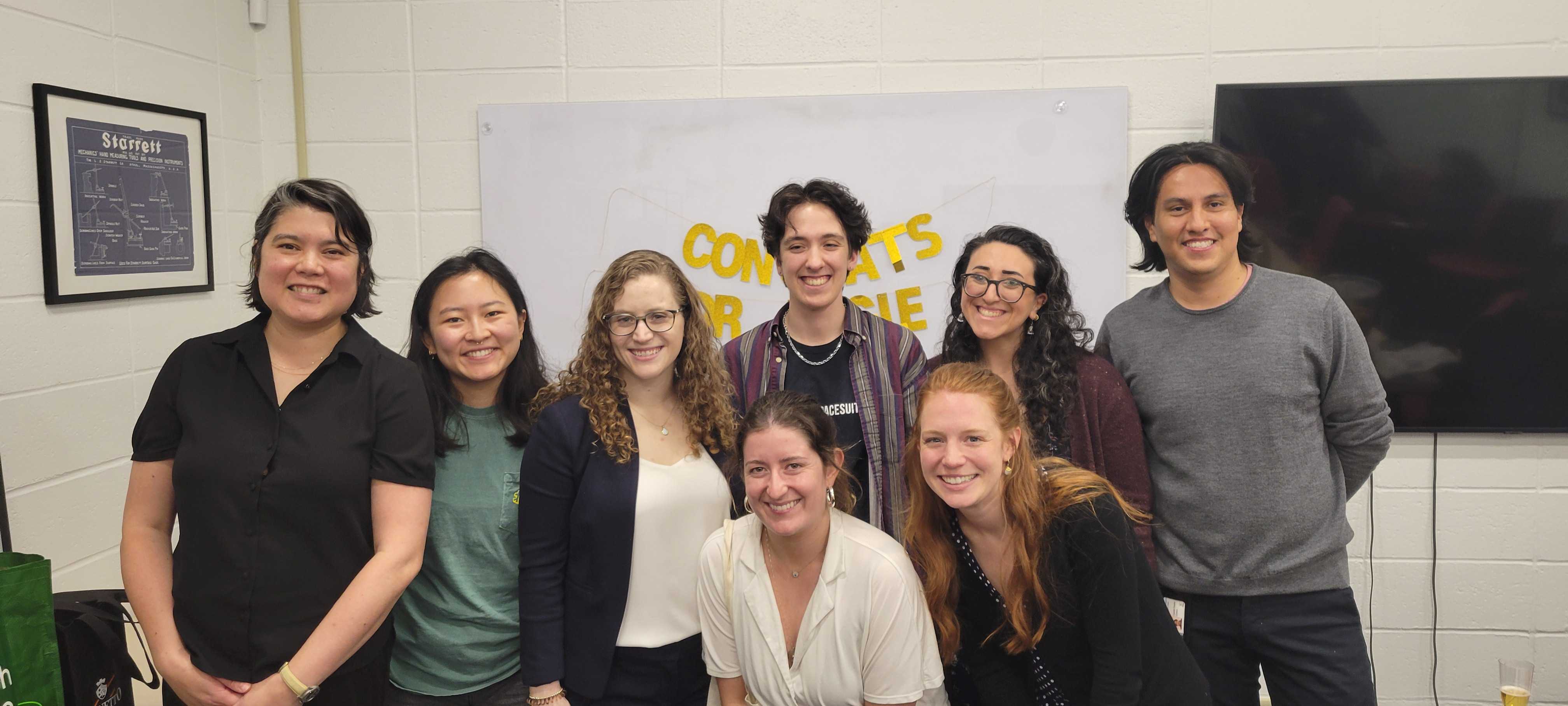
Recently the Myers lab had the opportunity to celebrate Adriana Delagarza on her undergraduate graduation! Adriana joined the Myers lab as an undergraduate researcher in 2022 and was recognized as an Egleston Scholar at Columbia. Her project, focused on characterizing the shape of the cervix in the second trimester, has led to the creation of an extensive library of high fidelity patient-specific cervix models. These models will drive new discovery in the field of medical device research and development and help further our understanding of how to study pregnancy in-silico.
We loved having the opportunity to celebrate Adriana at the Expat and we wish her the best of luck as she starts her job working in Women’s Health R&D at Proctor in Gamble!
The Myers Lab is excited to congratulate Alicia Dagle on her successful doctoral defense! Alicia’s work focused on developing an AI model to analyze various ultrasounds and measure key features of the cervix. This allows measurements to be analyzed quickly and automatically, without a lengthy and tedious process by a medical expert. Alicia’s work has the potential to significantly impact how doctors care for pregnant mothers, by providing faster, more accurate ways to detect the risk of preterm birth. Congratulations Dr. Dagle! We can’t wait to see what you do next!
This spring, Professor Kristin Myers was elected to The American Institute for Medical and Biological Engineering, AIMBE “for pioneering contributions to women’s health engineering, the biomechanics of preterm birth, and clinical studies of the biomechanics of pregnancy.” In March, Dr. Myers travelled to Washington DC to for the Institute’s election of 163 new members of the AIMBE College of Fellows in recognition of their distinguished and continuing achievements in medical and biological engineering.
Election to the AIMBE College of Fellows is among the highest professional distinctions accorded to medical and biological engineers, comprised of the top two percent of engineers in these fields. With induction into AIMBE, Dr. Myers joins a prestigious community of engineers committed to using science for the greater good.
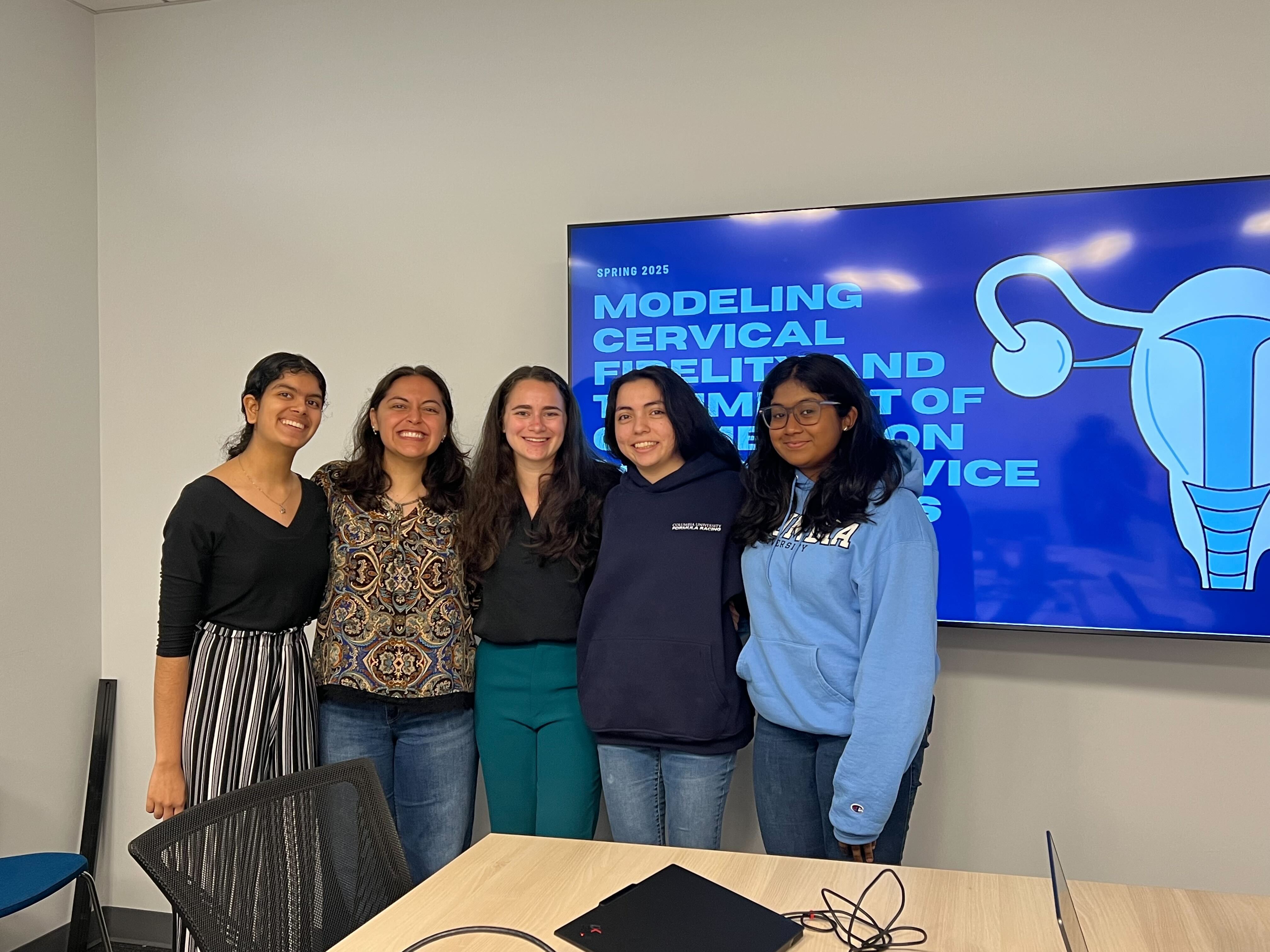
Congratulations to all of our amazing undergraduate researchers who did an incredible job presenting their work for the semester! Daffny presented her work on MATLAB image cropping and data organization for the mouse project. Angela talked about various sensitivity studies to improve cervical aspiration FE simulations. Reema shared her work developing a classification model to mediate quality of transvaginal ultrasounds. Eden ‘s work focused on FE simulations of shear wave propagation in cervical tissue. Adriana presented her work focused on building high fidelity models of the cervix in the second trimester ! We are so impressed by all of your fantastic work!
Last week, the Myers lab had a fabulous time at the Society for Reproductive Investigation Annual meeting! At the meeting, Echo had the opportunity to share some of her work in a poster presentation titled, “Cervical Modeling in the Rhesus Macaque: A Systematic Proteomic Analysis”. Congratulations Echo!
In our newest paper, we quantified structural features of human pregnancy by assessing maternal reproductive tissues and estimated fetal weight in 47 low-risk pregnancies at four gestational timepoints. We measured uterocervical size and estimated fetal weight via ultrasound and used mechanical aspiration to measure cervical stiffness. From this data, patient- specific uterocervical solid models were built for each time point, and uterocervical dimensions and cervical stiffness rate changes were assessed. We found uterine growth rates and time and direction dependent, with cervical softening occurring fastest in early gestation and cervical shortening fastest in late gestation. This work enables computational modeling platforms (i.e. digital twins) to explore the structural performance of the uterus and cervix in pregnancy.
Through this work, we have released parametric solid models, based on measurements collected from ultrasonic images of the pregnant uterus and cervix. These models were created for each of the 47 longitudinal study participants at timepoints from the late first trimester to the middle third trimester.
Abby and Serena had an awesome time representing the Myers Lab at the first ever “Engineering for Women’s Health Conference” at Northeastern University! Their posters, “In-Silico Models of In-Vivo Cervical Stiffness Measurements for Improving Preterm Birth Prediction“, and “Relaxin is Necessary for Normal Murine Cervical Remodeling in Pregnancy” were awarded first and second place, respectively, at the poster competition! We are so grateful to the conference organizers and all of the incredible speakers at Northeastern for putting on such a great program!
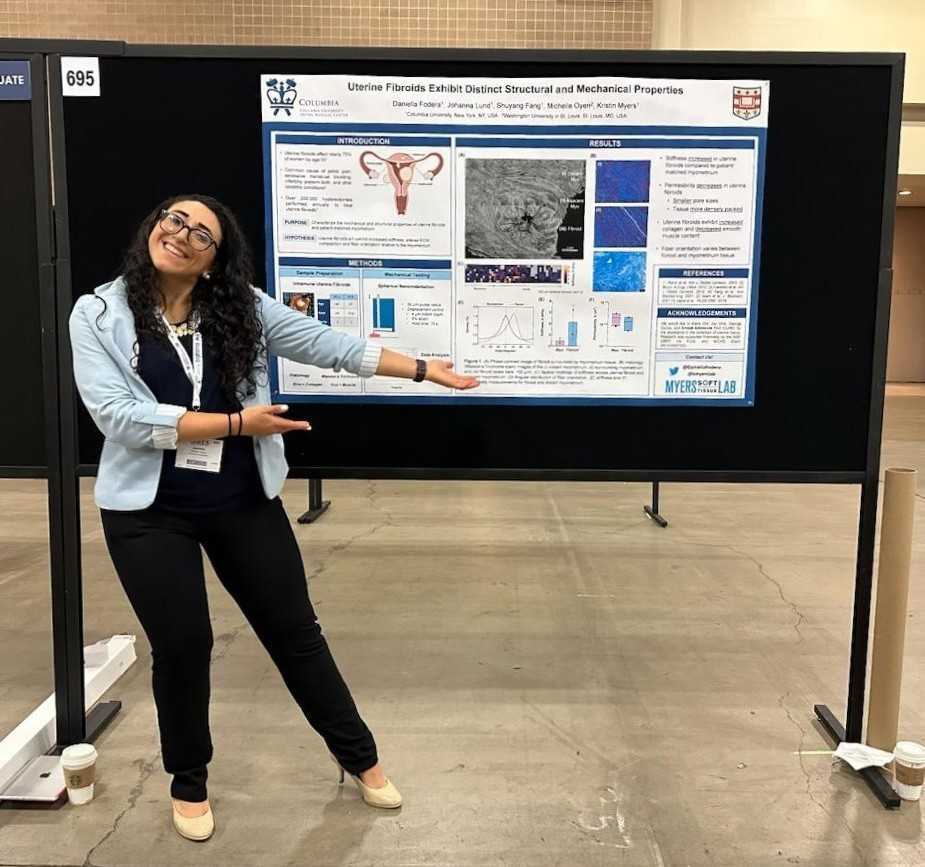
The Myers Lab wants to congratulate Daniella Fodera, a 5th year PhD Student in Biomedical Engineering, on being awarded the NIH’s F31 Predoctoral Fellowship through the NICHD!! Daniella will be co-advised by Dr. Kristin Myers in Mechanical Engineering and Dr. Lance Kam in Biomedical Engineering to study the “Biomechanics and mechanobiology of human uterine fibroids”.
Uterine fibroids are noncancerous tumors that form within the uterus, affecting nearly 70 – 80% of women in their lifetimes, and are a major cause of severe pain, abnormal bleeding, and infertility. The goal of this research is to investigate the role of mechanics in the pathophysiology of uterine fibroids at the cell and tissue length scales. Using this multi-scale, multi-faceted engineering-based approach, we seek to establish fundamental knowledge on uterine fibroids so that improved diagnostic and treatment techniques may be developed to lower the disease burden for millions of women.









 kristinmyerscolumbia.com